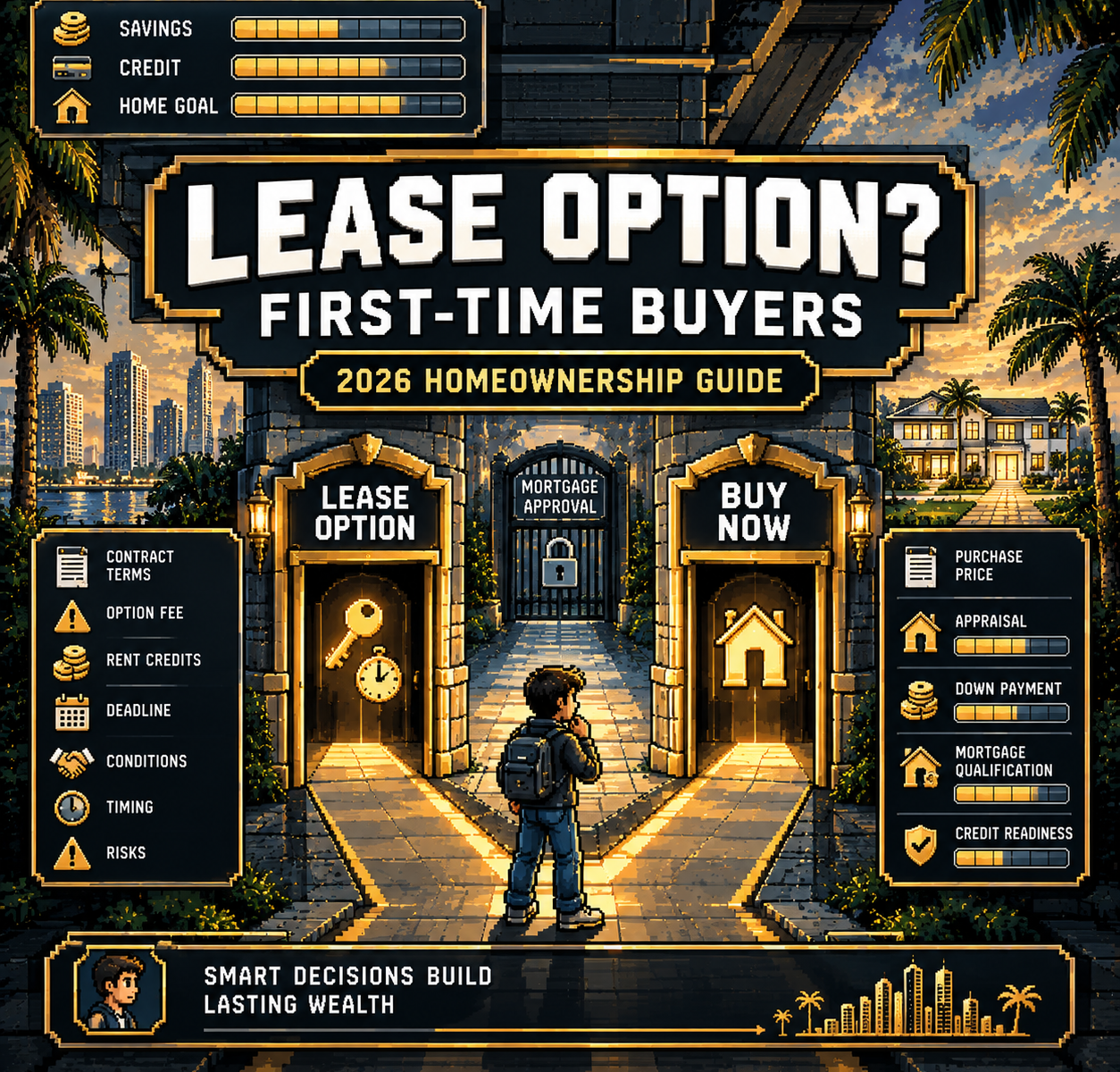
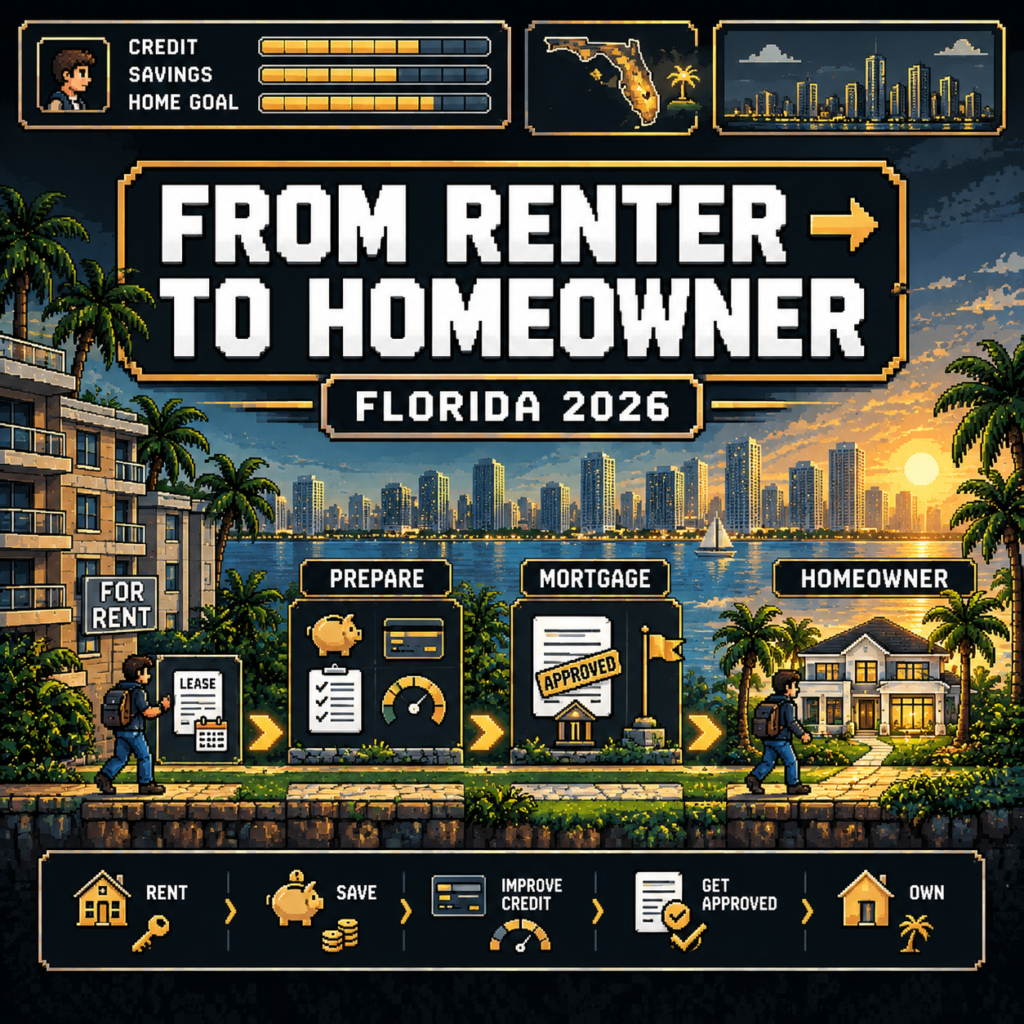
For many renters, the dream of homeownership often collides with the reality of saving for a down payment, managing credit scores, or navigating a competitive housing market. In the 2026 economic landscape, where home prices and interest rates remain key discussion points for prospective buyers, alternative paths to homeownership frequently attract attention. Among these alternatives is the lease option, commonly discussed under the broader umbrella of rent-to-own arrangements.
Before signing any agreement, it is essential to understand how lease options work, how they differ from traditional purchases, and whether they genuinely solve a financing challenge or simply postpone the mortgage qualification process.
What Is a Lease Option?
A lease option is a dual agreement consisting of a standard residential lease combined with an option contract. This structure gives the tenant the legal right, but not the obligation, to purchase the property at a predetermined price within a specified timeframe, usually one to three years.
Lease Option vs. Lease Purchase
It is vital to distinguish between a lease option and a lease purchase. Under a lease option, the buyer holds the choice to purchase or walk away when the lease term expires, though they typically forfeit any upfront option fee if they choose not to buy. Conversely, a lease purchase agreement often creates a binding legal obligation for the tenant to buy the property at the end of the term.
How Rent-to-Own Arrangements Work
Rent-to-own is a broad consumer term rather than a standardized financial product. Because every contract is privately negotiated between a buyer and a seller, terms can vary dramatically. Because legal and financial implications are significant, buyers should always have their agreement reviewed by an appropriately qualified real estate attorney before signing. Consulting Florida residential lease and tenancy regulations can also provide valuable context regarding state-specific tenant rights.
Why a Lease Option May Appeal to First-Time Buyers
A lease option can be an attractive strategy for specific buyers who need time rather than an immediate purchase. Potential advantages include:
Time to build savings for a down payment and closing costs.
Opportunity to improve credit scores through consistent on-time rental payments.
The ability to lock in a purchase price in a rising market.
Familiarity with a specific neighborhood before committing to permanent ownership.
However, these potential benefits depend entirely on the specific contract terms and the buyer’s financial discipline.
The Potential Risks of a Lease Option
While lease options offer flexibility, they also carry distinct risks that every first-time buyer must evaluate carefully.
Option Fees and Rent Credits
Buyers usually pay an upfront option fee, which is often non-refundable. Additionally, a portion of monthly rent payments might be designated as a rent credit toward the purchase price. However, buyers must never assume these credits will automatically satisfy lender requirements. Under current mortgage qualification standards, lenders enforce strict documentation rules regarding how option fees and rent credits are sourced and applied.
What Happens If You Cannot Qualify for a Mortgage?
A lease option does not eliminate the need for a mortgage. If the buyer cannot secure financing when the option period expires, they typically lose their option fee, accumulated rent credits, and the home itself. Being approved for a lease option by a private landlord is entirely different from meeting formal mortgage underwriting guidelines.
What If the Home Does Not Appraise at the Agreed Price?
If the agreed purchase price exceeds the home value determined by a future appraisal, securing a mortgage for the full contract amount becomes difficult. Buyers may need to bring additional cash to the closing table to cover the difference.
What First-Time Buyers Should Know About Financing
Securing a lease option is not a substitute for mortgage pre-approval. When the option period ends, the buyer must qualify for a traditional home loan based on their credit history, debt-to-income ratio, employment stability, and verified assets. Reviewing first-time homebuyer loan options early in the process helps buyers understand what lenders expect. Utilizing mortgage calculators can also clarify how future monthly obligations will look. If credit improvement is needed, exploring structured credit preparation guideeresources provides a solid foundation.
Lease Options in the 2026 Housing Market
In the 2026 housing market, affordability pressures and fluctuating inventory prompt some buyers to explore alternative purchasing structures. While 2026 first-time homebuyer housing trends indicate that traditional financing remains the primary path to ownership, lease options occasionally emerge when buyers need extra time to stabilize their financial profiles.
Questions to Ask Before Signing a Lease Option
Before entering into any rent-to-own agreement, buyers should investigate several critical questions:
What is the exact purchase price, and how was it determined?
Is the option fee refundable under any circumstances?
How much of the monthly rent is credited toward the purchase price?
Who is responsible for property taxes, insurance, and major repairs during the lease?
What specific financing milestones must be achieved before closing?
Is the agreement legally recorded to protect the buyer’s interest?
Is a Lease Option Right for You?
Deciding whether to pursue a lease option depends on your current financial readiness. If you have stable income, a clear plan to improve your credit, and need a structured timeline to finalize your savings, a lease option may be worth investigating with professional guidance. If you already meet credit and savings requirements, a traditional purchase often provides greater transparency and market flexibility.
Final Takeaway
A lease option is a complex financial and legal tool rather than a guaranteed shortcut to homeownership. Understanding contract terms, recognizing potential risks, and preparing for future mortgage qualification are essential steps for any prospective buyer. If you want to evaluate your purchasing power or explore your financing options, contact LevelMTG today to speak with an experienced mortgage professional.
Want personalized assistance? Visit our 'Contact Us' tab and leave your information with one of our experts.
About Us
A group of like-minded seasoned veterans came together to create a company with an employee-focused culture. A culture that values its members both personally and professionally and a company built on the idea that the customer comes first!
We do not share data with third parties for marketing/promotional purposes.
By submitting your phone number to Level Mortgage, you are authorizing a representative of our company to send you text messages and notifications. Message frequency may vary. Message/data rates apply. Reply STOP to unsubscribe to a message sent from us, and HELP to receive help.
How to Finance a New Construction Condo Before Completion
Buying a home that has not yet been built is an exciting prospect, especially in high-demand markets like South Florida. It offers the chance to secure a modern residence at today’s prices while the building rises from the ground. However, the financial path for a pre-construction unit is fundamentally different from buying an existing home.
Because the property does not yet exist as physical collateral, you cannot simply walk into a bank and get a standard mortgage on day one. Navigating this process requires a clear understanding of deposit phases, long-term credit stability, and the specific lending rules of 2026.
Why Buying Before Completion Is Different
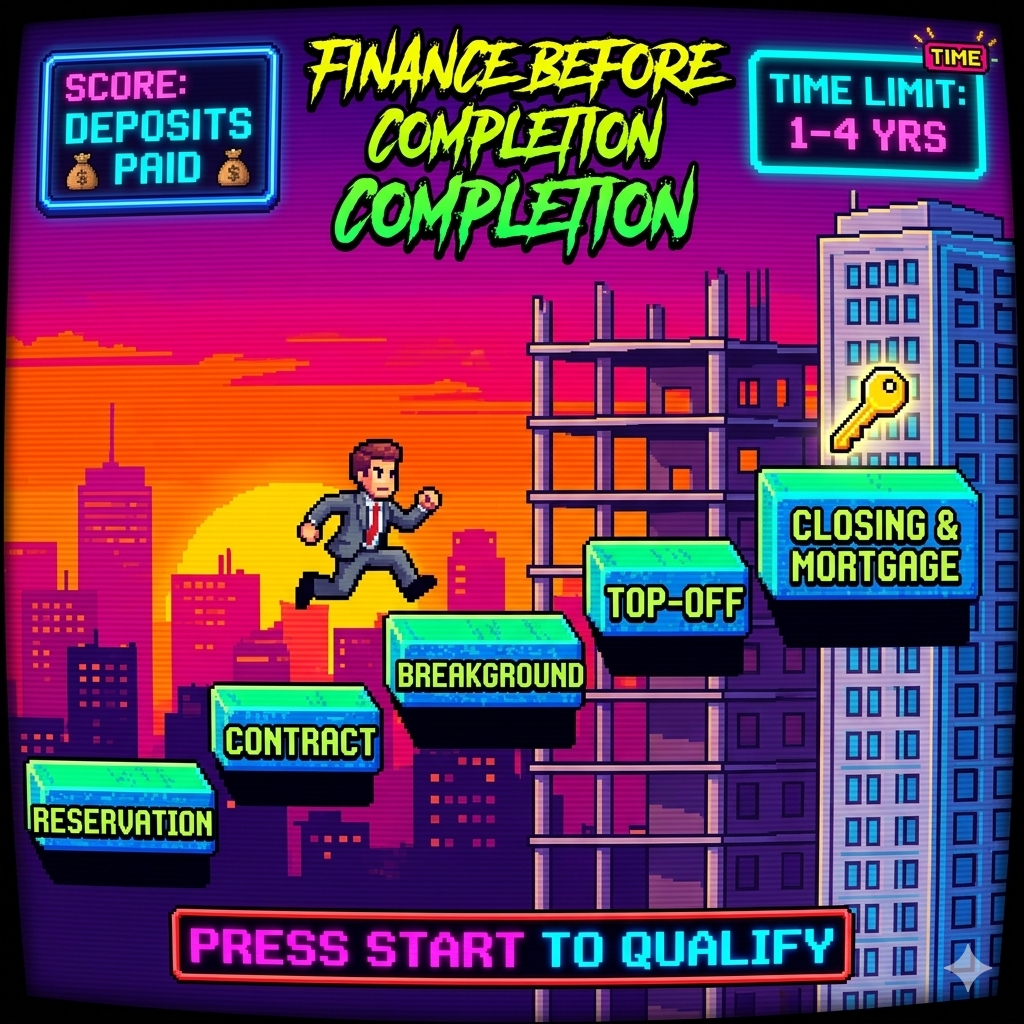
When you buy a resale home, the transaction usually closes within thirty to sixty days. The property is inspected, appraised, and the mortgage is funded immediately. With a new construction condo, the timeline often stretches from one to four years.
Property Use Classification
This gap creates a unique set of challenges. The property cannot be used as collateral for a traditional mortgage until it receives a Certificate of Occupancy. This means the lender is essentially approving a loan for an asset that is not yet fully realized.
The Shift in Market Conditions
Furthermore, the market conditions and your personal financial situation may change between the time you sign the contract and the day you finally move in. While this involves more moving parts, it also provides the opportunity for significant equity growth before you even make your first mortgage payment.
Understanding the Two-Phase Financing Process
Financing a pre-construction condo is essentially a two-phase journey. You must treat the initial purchase and the final loan as two distinct financial events.
Phase One: The Deposit Phase
In the first phase, you are responsible for the deposit structure required by the developer. This is typically handled using your own liquid capital, proceeds from a current home sale, or personal lines of credit. Lenders do not typically provide mortgage funds at this stage.
Phase Two: The Mortgage Phase
The second phase is the mortgage phase. This occurs when the building is nearing completion. Only at this point does a traditional lender step in to provide the long-term financing. According to recent industry data, many buyers find themselves in a position where they must manage their liquidity for several years before the actual loan is finalized.
Typical Deposit Structure in 2026
Developers use your deposits to help fund the construction and prove the viability of the project to their own commercial lenders. Based on trusted mortgage reports, the standard deposit structure in 2026 has remained fairly consistent for premier developments.
10% at Reservation: This is the initial “good faith” deposit to hold the specific unit.
10% at Contract: Due when you sign the official purchase and sale agreement.
10% at Groundbreaking: Paid when the developer officially starts construction.
10% at Top-off: This occurs when the building reaches its highest structural point.
60% at Closing: The remaining balance is due when the unit is complete, usually covered by your mortgage.
Planning for Liquidity
This structure means you must have significant cash available early in the process. Planning for this liquidity is essential to ensure you do not default on your contract as the building reaches its milestones.
How to Qualify for the Mortgage at Closing
One of the most common misconceptions is that getting “pre-approved” at the time of the contract means you are set for the next three years. In reality, you must re-qualify for your mortgage as the building nears completion.
The Re-Qualification Reality
Lenders will perform a fresh review of your credit score, income stability, and debt-to-income ratio. Recent lending guidelines indicate that a credit score of 680 or higher is generally expected, though 720 or higher often yields the most competitive rates.
Avoiding Financial Major Changes
If you take on new debt, such as a car loan, or experience a significant change in employment during the construction years, it could jeopardize your final approval. Maintaining financial stability is the best strategy for a successful closing.
Condo Approval and Financing Challenges
Even if your personal finances are perfect, the condo project itself must meet specific lender requirements. Lenders look at the health of the entire building, not just your unit.
Warrantable vs. Non-Warrantable
Recent updates to condo financing rules in 2026 emphasize the importance of owner occupancy and financial reserves. Generally, a project should have an owner-occupancy threshold of around 50% to be considered warrantable by major agencies.
HOA Reserves and Risk
Additionally, the Homeowners Association (HOA) must typically allocate at least 10% of its budget to a reserve fund. If a project is deemed non-warrantable, perhaps because one entity owns too many units or the commercial space exceeds certain limits, you may need alternative financing. These loans often require a 20% to 25% down payment and carry interest rates that are 0.5% to 1.5% higher than standard programs.
Strategies to Reduce Risk Before Completion
Because of the long timeline, risk management is a priority. You want to ensure that the excitement of a new home isn’t overshadowed by financial stress at the finish line.
Locking Interest Rates
One strategy is to keep a close eye on interest rates. While most lenders cannot lock a rate for three years, some offer specialized long-term lock options for a fee. This can protect you if rates rise significantly during the construction period.
Expert Guidance on Contracts
You should also work closely with an experienced lender who understands developer contracts. Some contracts have specific clauses regarding your right to find outside financing versus using the developer’s preferred lender. Understanding these nuances early can save you thousands in closing costs.
Benefits of Buying Pre-Construction
Despite the complexity, the rewards can be substantial. Buying early often allows you to secure “lower entry pricing” compared to what the units will cost once the building is finished.
As construction progresses, the value of your contract often appreciates. It is not uncommon for buyers to have significant equity in their units before they ever move in. Additionally, buying before completion gives you the best choice of floor plans, views, and interior finishes, allowing you to customize your living space to your exact preferences.
How Level Mortgage Helps You Navigate the Process
At Level Mortgage, we specialize in the intricate world of new construction. We don’t just look at where you are today, we help you plan for where you will be when the building is finished.
Our team assists in structuring a financing strategy years in advance. We help you understand whether a project is warrantable and what your options are if it isn’t. We also guide you through the re-qualification process, ensuring your credit and income remain in the best possible shape for that final closing day. By acting as a strategic advisor, we turn a complex construction timeline into a clear path toward your new home.
Want personalized assistance? Visit our 'Contact Us' tab and leave your information with one of our experts.
About Us
A group of like-minded seasoned veterans came together to create a company with an employee-focused culture. A culture that values its members both personally and professionally and a company built on the idea that the customer comes first!
We do not share data with third parties for marketing/promotional purposes.
By submitting your phone number to Level Mortgage, you are authorizing a representative of our company to send you text messages and notifications. Message frequency may vary. Message/data rates apply. Reply STOP to unsubscribe to a message sent from us, and HELP to receive help.
How to Buy Your First Home in Florida: Step-by-Step Guide for 2025
If you’re a first-time homebuyer in Florida, partnering with Level Mortgage can be your smartest move. With personalized service, fast closings, and access to powerful assistance programs, Level Mortgage simplifies the journey from dream to doorstep.
Understanding the Florida Housing Market in 2025
Florida’s real estate market offers unique opportunities and challenges. As of mid-2025, the statewide median home price has dropped nearly 5%, making it a favorable time for buyers. However, navigating flood zones, insurance requirements, and competitive bidding can be daunting without expert guidance.
That’s where Level Mortgage shines. Founded by Angelo Lamas, this Florida-based brokerage is known for speed, transparency, and tailored loan solutions. With a 5.0 rating across platforms like Experience.com, Level Mortgage has earned trust from first-time buyers, veterans, and real estate professionals alike.
Step-by-Step Guide to Buying Your First Home with Level Mortgage
Level Mortgage offers fast pre-approvals, often within 24–48 hours. Pre-approval helps you:
– Know your budget
– Strengthen your offer
– Speed up closing
Clients rave about the team’s responsiveness: “They worked super fast—even late hours—to make sure I could close on my house.” — Carlos D
3. Explore Assistance Programs
Level Mortgage specializes in Florida’s Hometown Heroes Program, which provides up to $35,000 in down payment and closing cost assistance for eligible buyers. This includes teachers, healthcare workers, law enforcement, and other frontline professionals.
Other programs include:
– Florida Housing First-Time Homebuyer Program
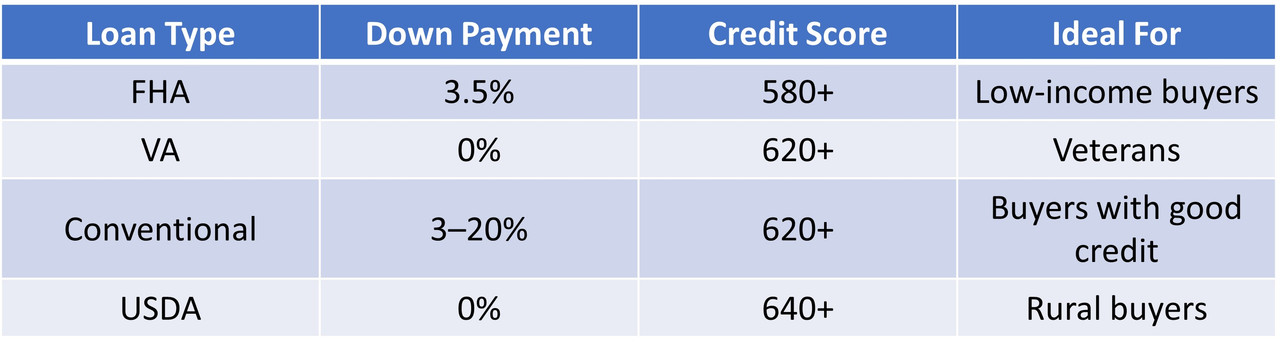
– FHA Loans (3.5% down payment)
– VA Loans (0% down for veterans)
– USDA Loans (0% down in rural areas)
Level Mortgage helps you navigate these options to maximize savings.
4. Choose the Right Loan
Level Mortgage tailors loan terms to your financial profile. Whether you’re self-employed, have student debt, or need flexible terms, they’ll match you with the best product.
With Level Mortgage’s pre-approval in hand, your offer stands out. Their team works closely with agents to ensure fast communication and document delivery.
7. Close Quickly
Level Mortgage is known for expedited closings, often beating industry averages. Their transparent fee structure means no surprises at closing, as noted by client Idalis L: “Tomás Lamas explained all disclosures in detail and helped me understand every fee and payment.”
Why Level Mortgage Is the Right Choice
– Fast Closings: Ideal for competitive markets
– Personalized Service: Loans tailored to your financial goals
– Transparent Communication: Clear disclosures and fee breakdowns
– Expertise in Assistance Programs: Maximize your benefits
– Top Reviews: 5.0 rating across platforms
Final Thoughts
Buying your first home in Florida doesn’t have to be overwhelming. With Level Mortgage, you gain a partner who understands the local market, prioritizes your financial well-being, and delivers results with speed and clarity. Whether you’re a teacher, nurse, or recent graduate, Level Mortgage helps you unlock the door to homeownership.
Ready to start your journey? Reach out to Level Mortgage and let Angelo Lamas and his team guide you home.
Want personalized assistance? Visit our 'Contact Us' tab and leave your information with one of our experts.
About Us
A group of like-minded seasoned veterans came together to create a company with an employee-focused culture. A culture that values its members both personally and professionally and a company built on the idea that the customer comes first!
We do not share data with third parties for marketing/promotional purposes.
By submitting your phone number to Level Mortgage, you are authorizing a representative of our company to send you text messages and notifications. Message frequency may vary. Message/data rates apply. Reply STOP to unsubscribe to a message sent from us, and HELP to receive help.