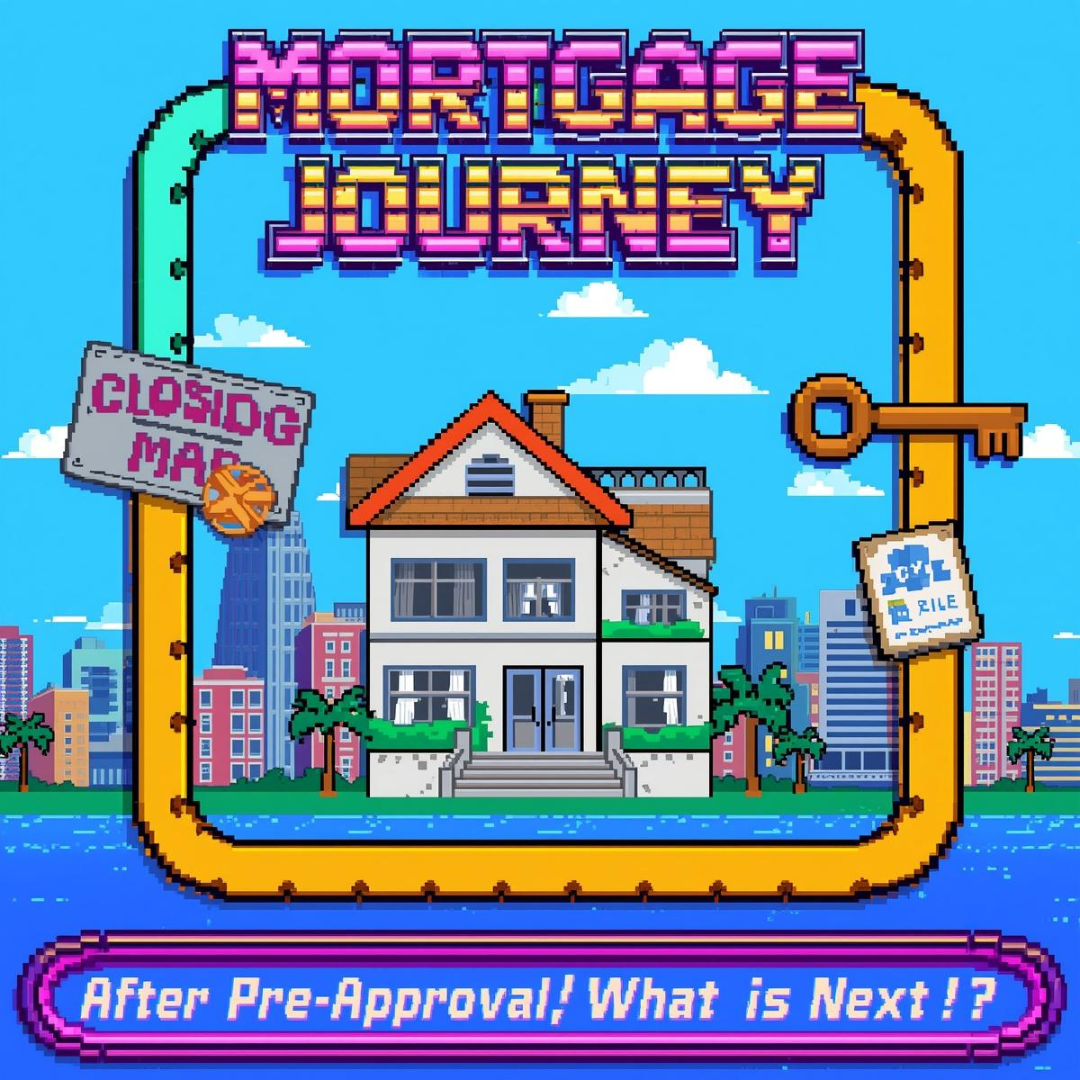
What Happens After You’re Pre-Approved for a Mortgage
Getting pre-approved for a mortgage is a major milestone in the home-buying journey. In Florida’s dynamic real estate market, where single-family homes ended 2024 with 4.7 months of supply and condos shifted into a buyer’s market with 8.2 months of supply, pre-approval gives you a competitive edge.
But what happens next? Let’s break down the process step by step.
Mortgage balances account for $13.07 trillion, while HELOC balances rose by $11 billion, marking the 14th consecutive quarterly increase.
Credit card debt is surging, with balances exceeding $1.3 trillion nationwide, driven by inflation and consumer spending.
In Florida, where housing values have risen sharply post-pandemic, homeowners often have significant equity available. This makes HELOCs an attractive option for debt consolidation.
Step 3: Underwriting
The underwriting process verifies your financial documents, employment, and credit history.
Underwriting usually takes 1–2 weeks, depending on complexity.
Step 4: Closing Timeline
Most conventional loans in Florida close in 30–45 days from application to funding.
Closing involves signing final documents, transferring funds, and recording the deed.
Buyers should budget for closing costs between 2–5% of the loan amount.
Florida Market Context (2025)
Average mortgage rate in 2025: 6.25%
Buyer vs. Seller Market:
Single-family homes: 4.7 months of supply (seller’s market)
Condos/townhouses: 8.2 months of supply (buyer’s market)
These dynamics affect negotiation power after pre-approval.
Common Challenges After Pre-Approval
Job changes or new debt can jeopardize approval.
Low appraisals may require renegotiation.
Market competition in Florida means homes often receive multiple offers within days.
Tips for Buyers After Pre-Approval
Avoid major financial changes (new credit cards, car loans).
Respond quickly to lender requests for documentation.
Stay within your pre-approved budget to avoid delays.
Work closely with your real estate agent to navigate Florida’s shifting market conditions.
Conclusion
Pre-approval is just the beginning. From house hunting to closing, the process involves multiple steps—each critical to securing your home. In Florida’s 2025 market, where rates hover around 6.25% and supply varies by property type, being prepared after pre-approval can make the difference between closing smoothly or facing delays.
Want personalized assistance? Visit our 'Contact Us' tab and leave your information with one of our experts.
About Us
A group of like-minded seasoned veterans came together to create a company with an employee-focused culture. A culture that values its members both personally and professionally and a company built on the idea that the customer comes first!
We do not share data with third parties for marketing/promotional purposes.
By submitting your phone number to Level Mortgage, you are authorizing a representative of our company to send you text messages and notifications. Message frequency may vary. Message/data rates apply. Reply STOP to unsubscribe to a message sent from us, and HELP to receive help.
Buying a home is one of the most significant financial decisions most people will ever make. Yet many potential buyers choose to “wait for the right time,” hoping for lower prices or better mortgage rates. But in today’s evolving real estate landscape, waiting often comes with a real financial cost.
Recent data from late 2025 and early 2026 shows that affordability is shifting, mortgage rates are adjusting, and home prices continue to evolve—making timing more important than ever. Below is a comprehensive breakdown of what waiting could cost you based on the latest market information.
Inventory increased in many major metros, giving buyers more options.
Home prices stabilized but did not significantly decline.
Mortgage rates remained elevated compared to pre‑2022 levels.
Homes stayed on the market longer, giving buyers more negotiation power.
Even with these improvements, affordability remained a challenge. Zillow reported that by the end of 2025, mortgage payments were still consuming 32.6% of the median household income, despite being $177 lower than their October 2023 peak.
2. What’s Changing in 2026?
The 2026 housing market is expected to bring slightly better conditions for buyers. Zillow forecasts that 20 of the 50 largest U.S. metros will become affordable by the end of 2026, the highest number since 2022.
2026 Forecast Highlights:
Home values are expected to rise 1.9% in 2026—not a crash, but a moderate increase.
More inventory is entering the market, especially new construction.
Some cities may even see price declines due to increased supply.
However, even with improved affordability, waiting may still cost buyers more in the long run due to rising home values and the compounding effect of mortgage interest.
3. The Real Cost of Waiting: Price Appreciation
Even modest price increases can significantly impact affordability.
Example:
If a $400,000 home appreciates by Zillow’s projected 1.9% in 2026, the same home would cost:
400,000×1.019=407,600
That’s $7,600 more in just one year.
If appreciation continues at similar rates, waiting two years could cost buyers $15,000–$20,000 or more—before even factoring in mortgage interest.
4. Mortgage Rates: The Silent Cost Multiplier
Mortgage rates are one of the biggest factors affecting the cost of waiting.
While rates have eased slightly from their 2023–2024 highs, they remain elevated historically. Even a 0.5% increase in mortgage rates can add tens of thousands of dollars in interest over the life of a loan.
Impact of a 0.5% Rate Increase on a $400,000 Loan:
Difference:
+$133/month
+$48,000 over 30 years
Even if home prices stay flat, rising rates alone can make waiting significantly more expensive.
5. Inventory Growth Doesn’t Always Mean Lower Prices
CNBC reported that by late 2025, homes were sitting longer on the market and builders were offering discounts in some areas due to increased supply. However, this does not guarantee widespread price drops.
Why?
New construction often targets higher‑income buyers.
Demand remains strong due to demographic pressure (Millennials + Gen Z).
Many homeowners are still “locked in” with ultra‑low pre‑2022 mortgage rates, limiting resale inventory.
This means that while buyers may have more choices, prices are unlikely to fall dramatically nationwide.
6. Affordability Is Improving—But Slowly
Zillow’s January 2026 report shows that affordability is improving due to:
Slower price growth
Slightly lower mortgage rates
Rising incomes
However, affordability improvements do not necessarily mean homes will become cheaper. Instead, they mean buyers may be better able to handle current prices.
Waiting for a “big crash” is not supported by current data. In fact, Zillow expects home values to increase in 41 of the 50 largest metros in 2026.
7. The Opportunity Cost of Delayed Homeownership
Waiting to buy a home also means missing out on:
Equity Growth
If a home appreciates even 2% annually, a $400,000 home gains:
400,000×0.02=8,000 per year
That’s $40,000 in equity over five years.
Tax Benefits
Homeowners may deduct:
Mortgage interest
Property taxes
Certain closing costs
Renters receive none of these benefits.
Fixed Housing Costs
Rent typically increases 3–7% per year in many markets. A fixed mortgage payment does not.
8. Florida Market Considerations
While the data above reflects national trends, Florida has unique dynamics:
Strong population growth
High demand from out‑of‑state buyers
Limited land in coastal metros
Strong new construction pipeline
These factors often lead to above‑average price appreciation, making waiting even more costly for Florida buyers.
Final Thoughts: Should You Wait to Buy a Home?
Based on late‑2025 and early‑2026 data, waiting to buy a home can cost you through:
Higher home prices
Higher mortgage rates
Lost equity
Lost tax benefits
Rising rents
While the market is becoming more balanced, the long‑term trend still points toward rising home values and steady demand.
For most buyers—especially in high‑growth states like Florida—the cost of waiting outweighs the potential benefits.
If you’re financially ready, 2026 may be one of the best windows to buy before prices and rates shift again.
Want personalized assistance? Visit our 'Contact Us' tab and leave your information with one of our experts.
About Us
A group of like-minded seasoned veterans came together to create a company with an employee-focused culture. A culture that values its members both personally and professionally and a company built on the idea that the customer comes first!
We do not share data with third parties for marketing/promotional purposes.
By submitting your phone number to Level Mortgage, you are authorizing a representative of our company to send you text messages and notifications. Message frequency may vary. Message/data rates apply. Reply STOP to unsubscribe to a message sent from us, and HELP to receive help.
How to Prepare for Your First Consultation with a Mortgage Professional
Preparing for your first mortgage consultation is one of the most important steps in the homebuying process. Whether you’re purchasing your first home, relocating to Florida, or upgrading your current property, arriving prepared can dramatically improve your loan options, speed up approval, and help you understand your true buying power. According to industry guidance, the first consultation is designed to help you understand your options—not to obligate you to a loan application.
This guide breaks down everything you need to bring, what to expect, and how to position yourself for success in Florida’s competitive real estate market.
Why Your First Mortgage Consultation Matters
Your initial meeting with a mortgage professional sets the tone for your entire homebuying journey. It helps you:
Understand your loan options
Determine your purchasing power
Identify potential credit or financial issues early
Build a strategy for navigating Florida’s fast‑moving housing market
Mortgage experts emphasize that preparing ahead of time leads to a smoother experience from start to finish.
1. Know Your Homeownership Goals
Before your consultation, define what you want to accomplish. This helps the mortgage professional tailor recommendations.
Questions to Ask Yourself
Are you a first‑time buyer or repeat buyer?
Are you upsizing, downsizing, or relocating?
What Florida cities or counties are you targeting?
What is your ideal monthly payment?
How long do you plan to stay in the home?
Florida’s market is diverse—Miami, Tampa, Orlando, and Jacksonville each have different price points and lending dynamics. Knowing your goals helps your lender match you with the right loan program.
The average U.S. credit score is around 715 (FICO).
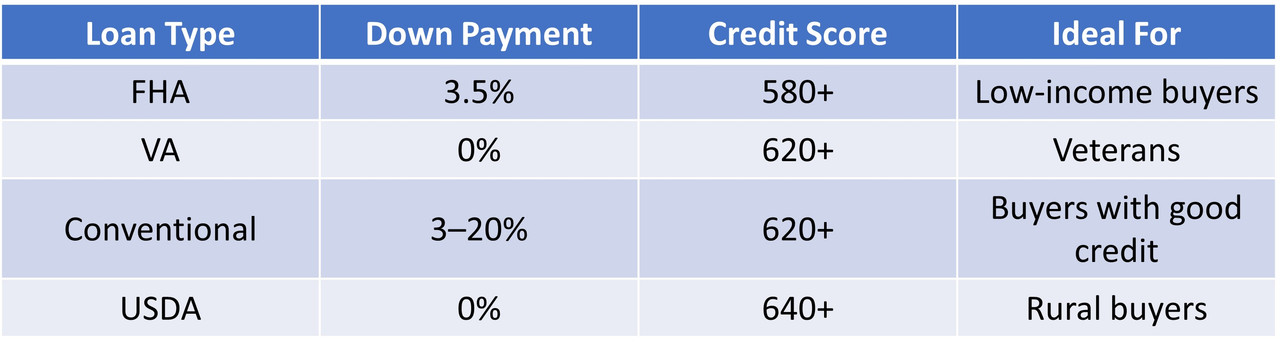
FHA loans allow scores as low as 580, but with higher costs.
Conventional loans typically require 620+.
If your score is lower than expected, your mortgage professional can help you create a plan to improve it before applying.
4. Understand Your Debt‑to‑Income Ratio (DTI)
DTI is a key metric lenders use to determine affordability.
Typical DTI Requirements
Conventional loans: up to 45%
FHA loans: up to 57% with strong compensating factors
VA loans: flexible but typically under 41%
Reducing debt before your consultation can significantly improve your loan options.
5. Research Florida Market Conditions
Florida’s real estate market remains one of the most active in the U.S. Understanding local trends helps you prepare realistic expectations.
Key Florida Market Facts (2025–2026)
Florida remains a top‑3 state for population growth.
Median home prices increased between 3%–6% in major metros year‑over‑year.
Inventory remains tight in coastal counties, increasing competition.
Your mortgage professional will help you understand how these trends affect your buying power.
6. Prepare Questions for Your Mortgage Professional
A consultation is a two‑way conversation. Bring questions that help you understand your options.
Smart Questions to Ask
What loan programs do I qualify for?
What down payment options are available?
What interest rate range should I expect?
What are the estimated closing costs?
How long does the approval process take?
Are there Florida‑specific programs I can use (Hometown Heroes, first‑time buyer grants, etc.)?
7. Understand What Happens During the Consultation
According to mortgage industry guidance, your consultation will typically include:
A review of your financial documents
A discussion of your goals and timeline
A preliminary assessment of your loan eligibility
An explanation of loan types (FHA, VA, USDA, Conventional, Jumbo)
A breakdown of estimated payments and costs
This meeting is designed to empower you with information—not pressure you into a loan.
8. Avoid Common Mistakes Before Your Consultation
Do NOT:
Make large purchases
Open new credit accounts
Transfer large sums between accounts
Change jobs without discussing it with your lender
These actions can negatively impact your loan eligibility.
9. Prepare for a Competitive Florida Market
Florida’s housing market is fast‑paced. Being prepared gives you an advantage.
Competitive Advantages You Gain by Preparing
Faster pre‑approval
Stronger offers
Better negotiation power
Ability to lock rates quickly
In markets like Miami‑Dade, Hillsborough, and Orange County, homes often receive multiple offers within days.
10. Final Checklist Before Your Consultation
Bring:
Financial documents
Credit report
List of questions
Notes about your goals
Proof of funds for down payment
Be Ready To Discuss:
Budget
Employment history
Savings
Timeline
Preferred loan type
Conclusion
Preparing for your first consultation with a mortgage professional is one of the smartest steps you can take as a Florida homebuyer. With the right documents, clear goals, and an understanding of your financial picture, you’ll walk into your meeting confident and ready to take the next step toward homeownership.
Want personalized assistance? Visit our 'Contact Us' tab and leave your information with one of our experts.
About Us
A group of like-minded seasoned veterans came together to create a company with an employee-focused culture. A culture that values its members both personally and professionally and a company built on the idea that the customer comes first!
We do not share data with third parties for marketing/promotional purposes.
By submitting your phone number to Level Mortgage, you are authorizing a representative of our company to send you text messages and notifications. Message frequency may vary. Message/data rates apply. Reply STOP to unsubscribe to a message sent from us, and HELP to receive help.
How Long Does It Take to Build Good Credit for a Mortgage?
Building good credit for a mortgage is one of the most important steps toward homeownership—especially in competitive markets like Florida, where strong credit can mean lower interest rates, smoother approvals, and thousands saved over the life of a loan. But how long does it actually take to build or rebuild credit to a “mortgage‑ready” level?
Below is a complete, Florida‑focused guide with timelines, statistics, and actionable steps.
Understanding What “Good Credit” Means for a Mortgage
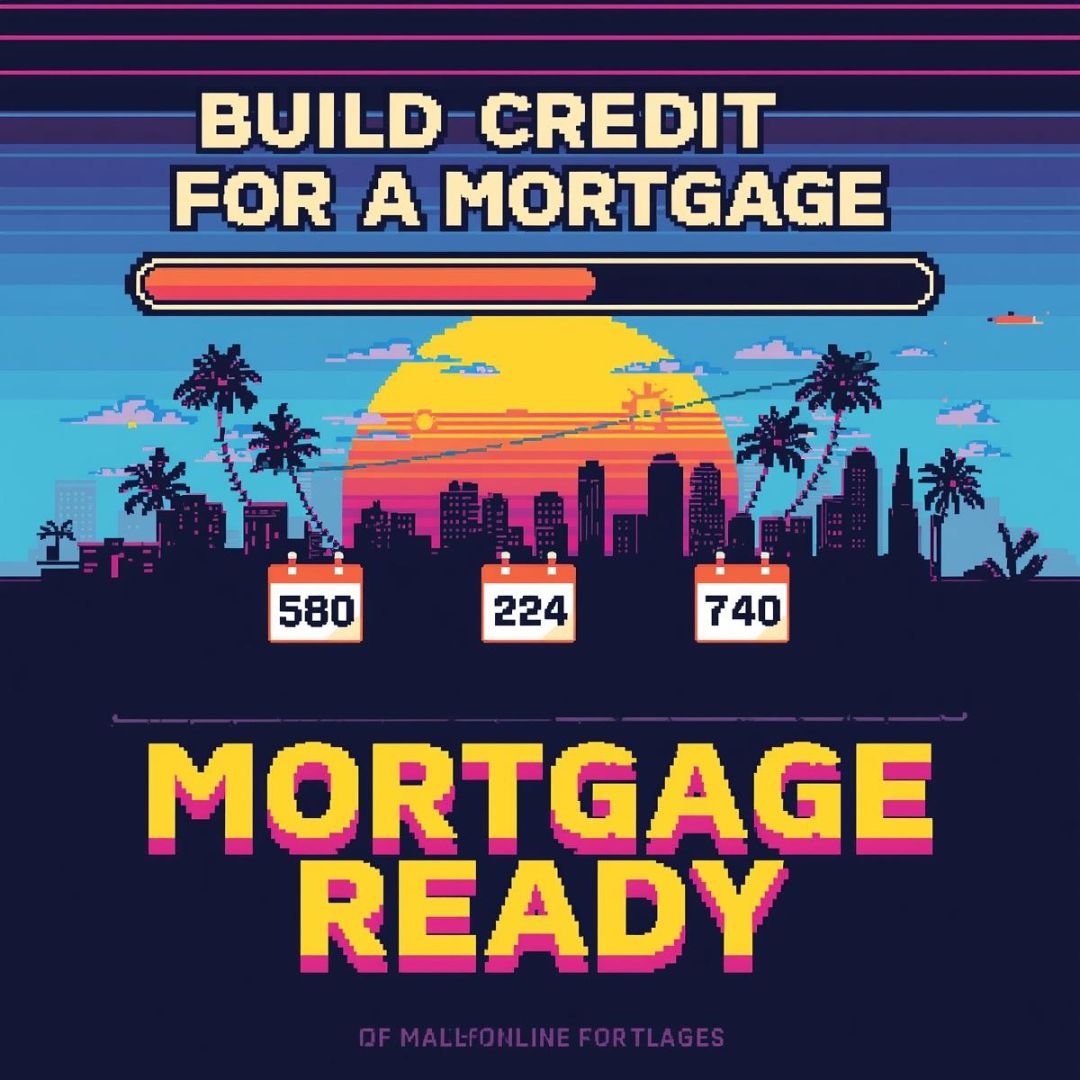
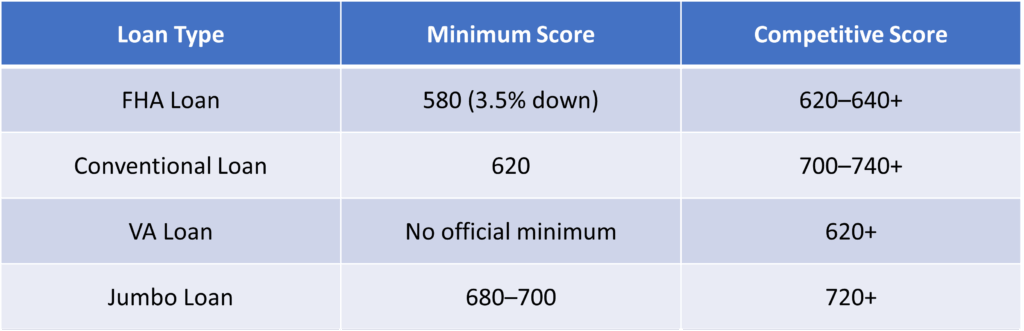
Mortgage lenders rely heavily on your FICO® Score, which ranges from 300 to 850. While requirements vary by loan program, here are typical benchmarks:
In Florida’s fast‑moving real estate market—especially in areas like Tampa, Orlando, Miami, and Jacksonville—buyers with 700+ scores often secure the best rates and fastest approvals.
Factors That Influence How Fast You Can Build Credit
Your credit score is calculated using five major components:
1. Payment History (35%)
This is the largest factor. Paying all bills on time—even small ones—has the biggest impact. A single late payment can drop your score by 60–110 points depending on your profile.
2. Credit Utilization (30%)
This is the percentage of credit you’re using. Goal: Keep utilization below 30%, and ideally under 10% for the fastest score gains.
3. Length of Credit History (15%)
The longer your accounts stay open, the better. This is why closing old accounts can hurt your score.
4. Credit Mix (10%)
Lenders like to see a combination of revolving credit (credit cards) and installment loans (auto loans, student loans, etc.).
5. New Credit (10%)
Too many hard inquiries in a short period can temporarily lower your score.
Typical Credit‑Building Timelines Based on Your Situation
If You Have No Credit History
3–6 months to generate a score
6–12 months to reach 620+
12–24 months to reach 680–720
If You Have Fair Credit (580–620)
3–6 months to reach 620–640
6–12 months to reach 660–680
If You Have Good Credit (660–700)
3–12 months to reach 700–740
12–24 months to reach 740–760+
If You Are Rebuilding After Major Derogatory Events
Late payments: 3–12 months for recovery
Collections: 6–24 months
Bankruptcy: 18–48 months
Foreclosure: 24–60 months
Why Credit Matters So Much in Florida’s Mortgage Market
Florida’s mortgage rates are highly sensitive to credit scores. A borrower with a 760 score may receive an interest rate 0.50%–1.00% lower than someone with a 620 score.
On a $400,000 home (Florida’s median price in many counties), that difference can equal:
$150–$300 per month
$54,000–$108,000 over 30 years
This is why building credit before applying is one of the most financially impactful steps you can take.
How to Build Good Credit Faster: Proven Strategies
1. Pay Every Bill on Time
Since payment history is 35% of your score, this is the #1 factor.
2. Lower Your Credit Utilization
If your credit limit is $5,000, try to keep your balance under:
$1,500 (30%)
$500 (10%) for optimal results
3. Become an Authorized User
If a family member has strong credit, this can boost your score in 30–45 days.
4. Use a Secured Credit Card
Perfect for first‑time credit builders.
5. Keep Old Accounts Open
This helps lengthen your credit history.
6. Avoid Applying for Too Much Credit
Each hard inquiry can drop your score by 5–10 points.
7. Dispute Errors on Your Credit Report
The FTC reports that 1 in 5 Americans has an error on their credit report. Fixing these can lead to immediate score increases.
Florida‑Specific Tips for Mortgage‑Ready Credit
1. Prepare for Higher Insurance Costs
Florida homeowners insurance rates are among the highest in the U.S. Lenders consider your debt‑to‑income ratio (DTI), so improving credit helps offset higher insurance premiums.
2. FHA Loans Are Popular in Florida
Many first‑time buyers use FHA loans due to flexible credit requirements (580+). However, a 620+ score often results in better terms and lower mortgage insurance.
3. Jumbo Loans Require Strong Credit
Florida has many high‑value coastal markets. Jumbo loans typically require:
680–700 minimum score
720+ for best rates
Conclusion: How Long Does It Really Take?
Most Florida homebuyers can build or rebuild good credit for a mortgage in 6 to 24 months, with some improvements appearing in 30–45 days. Whether you’re starting from scratch or recovering from past credit challenges, consistent financial habits and strategic planning can put you on the path to homeownership faster than you might think.
Want personalized assistance? Visit our 'Contact Us' tab and leave your information with one of our experts.
About Us
A group of like-minded seasoned veterans came together to create a company with an employee-focused culture. A culture that values its members both personally and professionally and a company built on the idea that the customer comes first!
We do not share data with third parties for marketing/promotional purposes.
By submitting your phone number to Level Mortgage, you are authorizing a representative of our company to send you text messages and notifications. Message frequency may vary. Message/data rates apply. Reply STOP to unsubscribe to a message sent from us, and HELP to receive help.
Using a HELOC to Pay Off Credit Card Debt: Is It Right for You?
Florida homeowners are increasingly turning to Home Equity Lines of Credit (HELOCs)as a way to manage high-interest credit card debt. With credit card APRs averaging over 20% nationally in 2025, the appeal of tapping into home equity—where rates are often in the 6–8% range—is obvious. But is this strategy right for you? Let’s break down the numbers, risks, and opportunities.
What Is a HELOC?
A HELOC is a revolving line of credit secured by your home’s equity.
Unlike a lump-sum home equity loan, HELOCs allow flexible borrowing and repayment, similar to a credit card but with lower rates.
Your home serves as collateral, meaning missed payments could lead to foreclosure.
Mortgage balances account for $13.07 trillion, while HELOC balances rose by $11 billion, marking the 14th consecutive quarterly increase.
Credit card debt is surging, with balances exceeding $1.3 trillion nationwide, driven by inflation and consumer spending.
In Florida, where housing values have risen sharply post-pandemic, homeowners often have significant equity available. This makes HELOCs an attractive option for debt consolidation.
Why Consider a HELOC for Credit Card Debt?
1. Lower Interest Rates
Average credit card APR: 20–24%
Average HELOC rate: 6–8%
Example: $20,000 in credit card debt at 22% costs about $4,400 annually in interest. A HELOC at 7% would reduce that to $1,400 annually, saving $3,000 per year.
2. Flexible Repayment
HELOCs allow interest-only payments during the draw period, easing short-term cash flow.
Borrowers can pay down principal aggressively when finances improve.
3. Potential Tax Benefits
Interest on HELOCs may be tax-deductible if funds are used for home improvements. However, using it for debt consolidation typically does not qualify.
Risks and Trade-Offs
1. Your Home Is Collateral
Defaulting on a HELOC can lead to foreclosure.
Unlike credit card debt, which is unsecured, HELOC debt ties directly to your property.
2. Variable Interest Rates
HELOCs often have adjustable rates. If rates rise, your payments could increase significantly.
While Fed rate cuts in 2025 have lowered HELOC rates to the mid-6% range, future hikes could reverse this trend.
3. Closing Costs and Fees
HELOCs may include appraisal fees, annual fees, and closing costs.
These can offset some of the interest savings if not carefully managed.
4. Discipline Required
Paying off credit cards with a HELOC only works if you stop accumulating new credit card debt.
Otherwise, you risk doubling your debt load—secured and unsecured.
Florida-Specific Considerations
Rising Home Values: Florida’s median home price has increased more than 40% since 2020, giving homeowners substantial equity to tap.
High Credit Card Usage: Florida ranks among the top states for average credit card balances, making HELOCs a popular consolidation tool.
Hurricane Risk: Insurance costs and property risks in Florida can complicate HELOC eligibility and affordability.
Alternatives to HELOCs
Balance Transfer Credit Cards: Introductory 0% APR offers can provide short-term relief but usually last only 12–18 months.
Personal Loans: Fixed-rate loans may offer predictable payments without risking your home.
Debt Management Plans: Nonprofit credit counseling agencies can negotiate lower rates with creditors.
Is It Right for You?
A HELOC can be a smart move if:
You have substantial home equity.
You’re disciplined enough to avoid new credit card debt.
You can handle potential rate fluctuations.
You understand the risk of foreclosure.
It may not be right if:
Your income is unstable.
You’re already struggling with mortgage payments.
You’re prone to overspending on credit cards.
Conclusion
Using a HELOC to pay off credit card debt can save thousands in interest and simplify repayment. But it’s not a one-size-fits-all solution. For Florida homeowners, where equity is abundant but risks like hurricanes and insurance costs loom large, the decision requires careful consideration.
Want personalized assistance? Visit our 'Contact Us' tab and leave your information with one of our experts.
About Us
A group of like-minded seasoned veterans came together to create a company with an employee-focused culture. A culture that values its members both personally and professionally and a company built on the idea that the customer comes first!
We do not share data with third parties for marketing/promotional purposes.
By submitting your phone number to Level Mortgage, you are authorizing a representative of our company to send you text messages and notifications. Message frequency may vary. Message/data rates apply. Reply STOP to unsubscribe to a message sent from us, and HELP to receive help.
Federal Reserve Cuts Rates Again: Why Florida Real Estate Buyers Should Act Now
The Federal Reserve cut interest rates again in December 2025, lowering the federal funds rate to 3.5%–3.75%, its third consecutive cut this year. This move is designed to stimulate borrowing amid a cooling labor market and persistent inflation. For Florida real estate buyers and investors, this represents a prime opportunity to lock in lower mortgage rates, expand portfolios, and capitalize on rising housing demand.
The Fed’s Decision: A Third Consecutive Rate Cut
On December 10, 2025, the Federal Reserve announced a quarter-point cut to its benchmark federal funds rate, bringing it down to 3.5%–3.75%. This marks the third rate cut since September, signaling the Fed’s commitment to supporting economic growth despite lingering inflation concerns.
Impact on Mortgage Rates
Mortgage rates, which had surged to their highest levels since 2000 just two years ago, have gradually declined throughout 2025. Following the Fed’s December cut:
30-year fixed mortgage rates are trending downward, offering relief to buyers who faced affordability challenges in 2023–2024.
Refinancing opportunities are expanding, allowing homeowners to reduce monthly payments and free up cash flow.
Short-term borrowing costs (home equity lines, adjustable-rate mortgages) are directly impacted, becoming more attractive.
Florida Real Estate Market Outlook
Florida’s housing market is uniquely positioned to benefit from lower rates due to strong demand drivers:
Population Growth: Florida added over 300,000 new residents in 2025, driven by migration from high-cost states.
Portfolio Expansion: Investors can refinance existing properties to free capital for new acquisitions.
Conclusion
The Fed’s December 2025 rate cut is a strategic move to stabilize the economy, but for Florida real estate buyers and investors, it’s more than just monetary policy — it’s a doorway to opportunity. With mortgage rates trending lower, housing demand strong, and Florida’s growth trajectory intact, now is the time to act. Buyers can secure affordable financing, while investors can leverage cheaper capital to expand portfolios in one of the nation’s hottest real estate markets.
Want personalized assistance? Visit our 'Contact Us' tab and leave your information with one of our experts.
About Us
A group of like-minded seasoned veterans came together to create a company with an employee-focused culture. A culture that values its members both personally and professionally and a company built on the idea that the customer comes first!
We do not share data with third parties for marketing/promotional purposes.
By submitting your phone number to Level Mortgage, you are authorizing a representative of our company to send you text messages and notifications. Message frequency may vary. Message/data rates apply. Reply STOP to unsubscribe to a message sent from us, and HELP to receive help.
Will Home Prices Drop in Florida? 2026 Real Estate Market Trends Explained
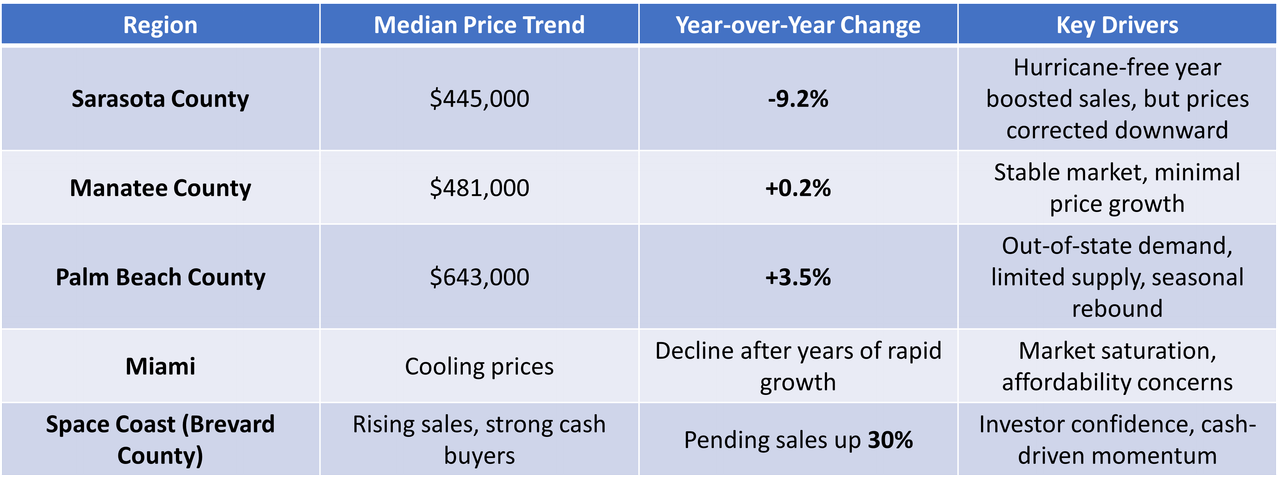
Florida’s real estate market has always been dynamic, shaped by migration trends, weather risks, and national economic conditions. As we move into 2026, many buyers and sellers are asking the same question: Will home prices drop? To answer this, let’s break down the latest data, regional variations, and the broader economic forces at play.
– Longer Time on Market: Homes now average 83 days on market, up from 70 days last year, signaling slower demand.
Factors Supporting Price Stability
Strong Migration: Florida continues to attract new residents, retirees, and investors, sustaining demand.
Cash Buyers:In areas like the Space Coast, cash purchases surged, insulating the market from mortgage rate fluctuations.
Mortgage Rate Relief: Slight declines in rates (from 6.64% to ~6%) could re-energize buyers in 2026.
Regional Resilience: Counties like Palm Beach and Manatee show steady or rising prices, proving that not all markets are weakening.
2026 Outlook: A “Two-Speed Market”
Experts describe the U.S. housing market as entering a “two-speed” phase:
– Growth Regions: Areas with strong migration (Palm Beach, Space Coast) will likely see modest price increases.
– Correction Regions: Overheated markets (Miami, Sarasota) may continue to decline or flatten.
Florida’s market is unlikely to “crash.” Instead, expect regional divergence: some counties will cool, while others remain competitive.
Key Takeaways for Buyers and Sellers
Experts describe the U.S. housing market as entering a “two-speed” phase:
– Growth Regions: Areas with strong migration (Palm Beach, Space Coast) will likely see modest price increases.
– Correction Regions: Overheated markets (Miami, Sarasota) may continue to decline or flatten.
Florida’s market is unlikely to “crash.” Instead, expect regional divergence: some counties will cool, while others remain competitive.
Conclusion
So, will home prices drop? The answer is nuanced. Yes, in some regions—Sarasota and Miami are already seeing declines. No, in others—Palm Beach and the Space Coast continue to rise. Florida’s housing market in 2026 will be defined by regional divergence, inventory growth, and affordability pressures.
For buyers, this means opportunity. For sellers, it means adjusting expectations. And for the market overall, it means a shift toward balance after years of volatility.
Want personalized assistance? Visit our 'Contact Us' tab and leave your information with one of our experts.
About Us
A group of like-minded seasoned veterans came together to create a company with an employee-focused culture. A culture that values its members both personally and professionally and a company built on the idea that the customer comes first!
We do not share data with third parties for marketing/promotional purposes.
By submitting your phone number to Level Mortgage, you are authorizing a representative of our company to send you text messages and notifications. Message frequency may vary. Message/data rates apply. Reply STOP to unsubscribe to a message sent from us, and HELP to receive help.
5 Expert Tips to Close Your Mortgage Loan Faster (Plus Bonus Strategies)
Want to close your mortgage loan faster? These 5 expert-backed tips—plus bonus strategies—can help you speed up the process, save money, and secure your dream home sooner
Closing a mortgage loan can feel like navigating a maze—paperwork, approvals, inspections, and deadlines. But with the right strategies, you can streamline the process and avoid costly delays. Whether you’re a first-time buyer or refinancing, here are five proven tips to help you close your mortgage loan faster, along with bonus strategies to give you an edge. This guide is brought to you in partnership with Level Mortgage, a trusted name in the mortgage lending space.
Get Pre-Approved, Not Just Pre-Qualified
Pre-approval is a game-changer. Unlike pre-qualification, which is based on self-reported financials, pre-approval involves a lender verifying your income, assets, credit score, and debt-to-income ratio. This gives you a realistic budget and shows sellers you’re serious.
– Level Mortgage’s online portal allows real-time communication and uploads, keeping the process moving.
Schedule Your Appraisal and Inspection ASAP
Appraisals and inspections are often bottlenecks. Book them early to avoid delays:
– Appraisals can take 7–10 business days depending on your market.
– If issues arise during inspection, you’ll need time to negotiate repairs or credits.
Bonus tip: Ask your lender if they offer appraisal waivers for certain loan types—this can save time and money.
Bonus Strategies to Accelerate Closing
Use a Mortgage Broker Like Level Mortgage
Mortgage brokers work with multiple lenders and can match you with one that offers faster underwriting and flexible terms. Level Mortgage specializes in quick closings and personalized service.
Consider Loan Recasting or Refinancing
If you’re refinancing, look into loan recasting—making a lump-sum payment to reduce monthly payments without changing your interest rate or term. It’s faster and less paperwork-intensive than full refinancing.
Opt for a Biweekly Payment Plan
While this doesn’t speed up closing, it helps pay off your mortgage faster post-closing. Making biweekly payments instead of monthly can shave 4–6 years off a 30-year mortgage.
The Bottom Line
Closing a mortgage loan faster is all about preparation, responsiveness, and working with the right professionals. By following these five tips and bonus strategies, you can reduce stress, save money, and move into your new home with confidence.
Want personalized assistance? Visit our 'Contact Us' tab and leave your information with one of our experts.
About Us
A group of like-minded seasoned veterans came together to create a company with an employee-focused culture. A culture that values its members both personally and professionally and a company built on the idea that the customer comes first!
We do not share data with third parties for marketing/promotional purposes.
By submitting your phone number to Level Mortgage, you are authorizing a representative of our company to send you text messages and notifications. Message frequency may vary. Message/data rates apply. Reply STOP to unsubscribe to a message sent from us, and HELP to receive help.
How to Buy Your First Home in Florida: Step-by-Step Guide for 2025
If you’re a first-time homebuyer in Florida, partnering with Level Mortgage can be your smartest move. With personalized service, fast closings, and access to powerful assistance programs, Level Mortgage simplifies the journey from dream to doorstep.
Understanding the Florida Housing Market in 2025
Florida’s real estate market offers unique opportunities and challenges. As of mid-2025, the statewide median home price has dropped nearly 5%, making it a favorable time for buyers. However, navigating flood zones, insurance requirements, and competitive bidding can be daunting without expert guidance.
That’s where Level Mortgage shines. Founded by Angelo Lamas, this Florida-based brokerage is known for speed, transparency, and tailored loan solutions. With a 5.0 rating across platforms like Experience.com, Level Mortgage has earned trust from first-time buyers, veterans, and real estate professionals alike.
Step-by-Step Guide to Buying Your First Home with Level Mortgage
Level Mortgage offers fast pre-approvals, often within 24–48 hours. Pre-approval helps you:
– Know your budget
– Strengthen your offer
– Speed up closing
Clients rave about the team’s responsiveness: “They worked super fast—even late hours—to make sure I could close on my house.” — Carlos D
3. Explore Assistance Programs
Level Mortgage specializes in Florida’s Hometown Heroes Program, which provides up to $35,000 in down payment and closing cost assistance for eligible buyers. This includes teachers, healthcare workers, law enforcement, and other frontline professionals.
Other programs include:
– Florida Housing First-Time Homebuyer Program
– FHA Loans (3.5% down payment)
– VA Loans (0% down for veterans)
– USDA Loans (0% down in rural areas)
Level Mortgage helps you navigate these options to maximize savings.
4. Choose the Right Loan
Level Mortgage tailors loan terms to your financial profile. Whether you’re self-employed, have student debt, or need flexible terms, they’ll match you with the best product.
With Level Mortgage’s pre-approval in hand, your offer stands out. Their team works closely with agents to ensure fast communication and document delivery.
7. Close Quickly
Level Mortgage is known for expedited closings, often beating industry averages. Their transparent fee structure means no surprises at closing, as noted by client Idalis L: “Tomás Lamas explained all disclosures in detail and helped me understand every fee and payment.”
Why Level Mortgage Is the Right Choice
– Fast Closings: Ideal for competitive markets
– Personalized Service: Loans tailored to your financial goals
– Transparent Communication: Clear disclosures and fee breakdowns
– Expertise in Assistance Programs: Maximize your benefits
– Top Reviews: 5.0 rating across platforms
Final Thoughts
Buying your first home in Florida doesn’t have to be overwhelming. With Level Mortgage, you gain a partner who understands the local market, prioritizes your financial well-being, and delivers results with speed and clarity. Whether you’re a teacher, nurse, or recent graduate, Level Mortgage helps you unlock the door to homeownership.
Ready to start your journey? Reach out to Level Mortgage and let Angelo Lamas and his team guide you home.
Want personalized assistance? Visit our 'Contact Us' tab and leave your information with one of our experts.
About Us
A group of like-minded seasoned veterans came together to create a company with an employee-focused culture. A culture that values its members both personally and professionally and a company built on the idea that the customer comes first!
We do not share data with third parties for marketing/promotional purposes.
By submitting your phone number to Level Mortgage, you are authorizing a representative of our company to send you text messages and notifications. Message frequency may vary. Message/data rates apply. Reply STOP to unsubscribe to a message sent from us, and HELP to receive help.
– Many county-level programs offer $7,500 to $15,000 depending on income and location.
These funds can cover:
– FHA’s 3.5% minimum down payment
– Closing costs (title, inspection, appraisal)
– Prepaid taxes and insurance.
Top Programs in Florida
Here are some of the most impactful DPA programs available statewide:
1. Florida Hometown Heroes Program
Offers up to $35,000 for eligible frontline workers (teachers, police, nurses, etc.)
Forgivable loan if you stay in the home for a set period
Must be a first-time buyer or not have owned a home in the past 3 years
2. Florida Assist
Provides $10,000 as a deferred second mortgage
No interest, no monthly payments
Must be used with a Florida Housing first mortgage
3. SHIP (State Housing Initiatives Partnership)
County-administered funds for low-income buyers
Amounts vary by location, often $10,000–$20,000
Can be combined with other programs
4. Local Programs
Miami-Dade, Orange, Hillsborough, and Pinellas counties offer their own grants and loans
Some cities like Tampa and Orlando offer zero-down options for qualified buyers
Who Qualifies?
Eligibility varies, but common requirements include:
– Income limits (typically under 80–120% of area median income)
– Credit score minimums (often 620+)
– Completion of a homebuyer education course
– Primary residence requirement (no investment properties)
You don’t always need to be a first-time buyer. Many programs allow repeat buyers who haven’t owned a home in the past three years, or who are purchasing in designated “target zones”
Why This Matters in 2025
Florida’s housing market remains competitive, with median home prices hovering around $400,000 in many counties. A 3.5% down payment on that is $14,000—not including closing costs. For many families, that’s a dealbreaker.
But with DPA:
– You could pay $0 upfront.
– You could qualify for forgivable loans that never need repayment.
– You could combine programs for maximum benefit.
In fact, tens of thousands of Floridians will receive DPA this year alone.
Persuasive Takeaway: Why You Should Act Now
If you’re renting, you’re already paying someone’s mortgage—just not your own. Down Payment Assistance flips the script. It’s not just financial aid; it’s a wealth-building opportunity.
– Homeownership builds equity: The average Florida homeowner gained over $30,000 in equity in the past two years.
– Rent keeps rising: Florida rents increased by 6.5% in 2024, and are projected to climb again in 2025.
=DPA is time-sensitive: Many programs are funded annually and can run out mid-year.
Next Steps
– Check your eligibility: Use ZIP-code-based tools to find programs near you.
– Take a homebuyer education course: Often required and available online.
– Get pre-approved: Work with a lender familiar with Florida DPA programs.
– Apply early: Funds are limited and awarded on a first-come, first-served basis.
Final Thoughts
Down Payment Assistance isn’t a handout—it’s a hand-up. In 2025, Florida is leading the way in making homeownership accessible. Whether you’re a teacher in Tampa, a nurse in Naples, or a veteran in Jacksonville, there’s a program designed for you.
Don’t let the myth of a massive down payment stop you. With the right guidance and the right program, your dream home is closer than you think.
Want personalized assistance? Visit our 'Contact Us' tab and leave your information with one of our experts.
About Us
A group of like-minded seasoned veterans came together to create a company with an employee-focused culture. A culture that values its members both personally and professionally and a company built on the idea that the customer comes first!
We do not share data with third parties for marketing/promotional purposes.
By submitting your phone number to Level Mortgage, you are authorizing a representative of our company to send you text messages and notifications. Message frequency may vary. Message/data rates apply. Reply STOP to unsubscribe to a message sent from us, and HELP to receive help.